buyers-guide
Best Elevated Garden Beds for Your Crops
By Raised Garden Bed Planters Editorial Updated
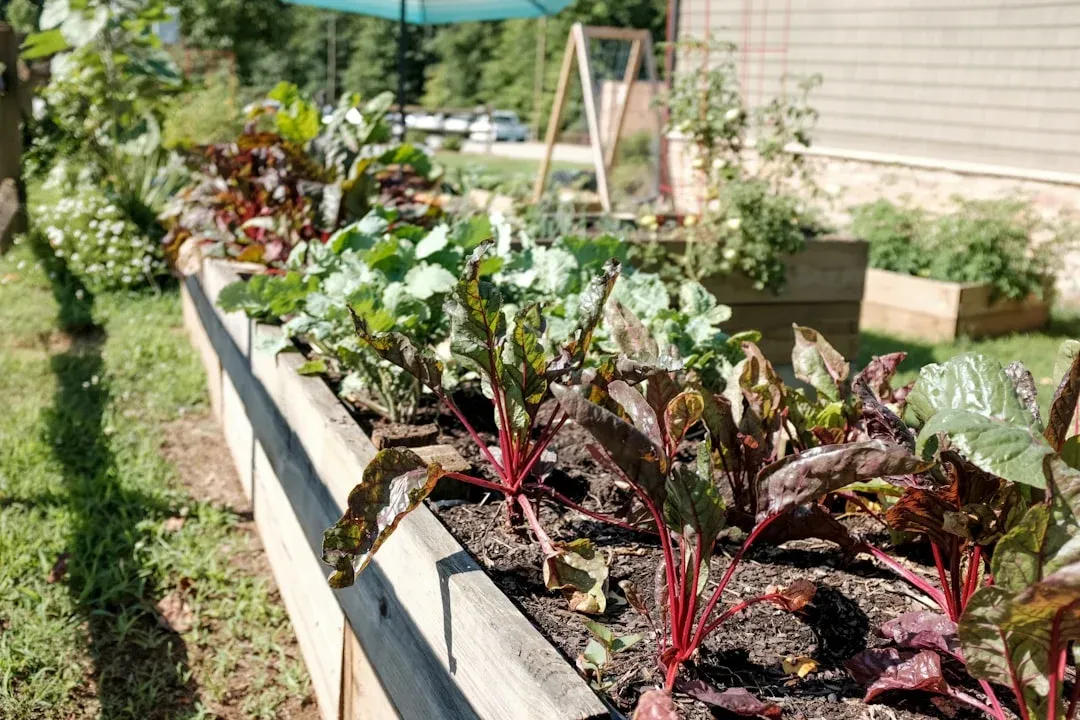
The two jobs an elevated bed has to do — and why most buyers only think about one
Most people shopping for an elevated garden bed are thinking about their back. That’s reasonable. Standing height is what separates an elevated bed from a regular raised bed, and if you’ve spent a season bent over a twelve-inch frame pulling weeds, the appeal of a bed you can work at standing height is not subtle. I understand the appeal completely.
But accessibility is only half the job. The other half is whether the bed can actually grow what you want to grow in it, and that’s where a lot of buyers end up disappointed. An elevated bed with a gorgeous powder-coated finish and comfortable working height that’s only eight inches deep will grow lettuce reasonably well. It will not grow carrots, parsnips, or indeterminate tomatoes. The depth of the growing chamber, the design of the drainage system, and the behavior of those two features through a Wisconsin winter are what separate a productive elevated bed from a planter that looks good on a patio.
This article evaluates what’s available on both axes. Accessibility and crop performance. If you’re shopping for a specific crop, the depth and drainage sections will tell you which beds can actually do the job before you spend five minutes looking at finishes and colors.
Depth requirements by crop: what actually fits in a raised elevated bed
Six inches of soil will grow almost anything shallow-rooted: lettuce, spinach, kale, arugula, basil, most herbs, radishes. If you’re gardening primarily for salad greens and fresh herbs, a bed in the six-to-eight-inch depth range is perfectly functional. Plenty of elevated beds on the market hit this range, and for that crop profile, they’re fine.
Root vegetables need more room. Carrots want at least twelve inches; the longer varieties — Danvers 126, Cosmic Purple, anything approaching full size — want closer to fourteen. Parsnips and beets need roughly the same. Onions and leeks are workable at ten inches but happier at twelve. If root vegetables are your priority, treat twelve inches as the floor and eighteen as comfortable breathing room.
Indeterminate tomatoes are the hardest case. The root mass of a full-season indeterminate in a contained bed wants eighteen inches minimum, and I’ve found they perform noticeably better with more. Peppers and eggplant are somewhat more forgiving — they’ll do reasonably well at fourteen inches — but tomatoes pushed into a shallow elevated bed tend to stress in late summer when water demand is highest, because there’s simply not enough soil volume to buffer between waterings. Determinate tomatoes will manage at twelve inches if you stay on top of watering, but indeterminates in a shallow bed are fighting the container from July onward.
This matters when you’re shopping because elevated beds concentrate heavily in the six-to-ten-inch depth range. Beds that clear eighteen inches exist, but they’re a smaller fraction of the market, they’re taller off the ground (which changes the accessibility math), and they cost more. Knowing your crop profile before you shop will save you from buying a bed that looks right and grows wrong.
Drainage design: holes, mesh bottoms, and open bottoms compared
Drainage holes in a solid-bottom bed are the most common configuration in the elevated-bed market, and they work adequately for most crops when the holes are sized and distributed correctly. The problem is that “adequately” covers a wide range. A bed with two small holes in a thick steel base can hold water long enough to drown a carrot crop in a wet June. A bed with eight or ten half-inch holes distributed across the base drains fast enough to be genuinely useful. When you’re evaluating a specific bed, count the holes and look at their diameter. The manufacturer should list this, and if they don’t, ask before you buy.
Mesh bottoms are a meaningfully different design. The mesh allows continuous drainage across the entire base rather than routing water to a few fixed points, and it lets the bed’s root zone breathe in a way that solid bottoms don’t. For root vegetables especially, mesh drainage tends to produce better results than hole-based drainage because the entire lower soil column drains evenly rather than draining toward a few points with wetter zones in between.
Open-bottom elevated beds — designs where the legs hold the growing frame above grade with no solid base at all — give roots access to native soil when placed over ground rather than a hard surface. On grass or garden soil, an open-bottom elevated bed can grow deeper-rooted crops more effectively than any contained design because the root ceiling is essentially unlimited. For beds sitting on a patio or deck, the open-bottom configuration means you’re draining onto the surface below, which matters for placement.
One thing that doesn’t get discussed enough in elevated-bed marketing: freeze-thaw behavior in sealed-bottom beds. If water pools in the base of a solid-bottom metal bed in October and freezes, it expands against the welds and base panels. This is one of the ways metal elevated beds fail early in cold climates. Not from the cold itself, but from trapped water. A bed with good drainage empties itself before the ground freezes; a bed with marginal drainage can accumulate enough water to cause structural damage by January. You won’t find this argument for mesh or open-bottom designs on any retailer’s product page, but in zone 3-5 it’s worth the consideration.
Material longevity in zone 3-5 winters
Freeze-thaw cycling is one of the harder things a garden product has to survive here. We’re talking about repeated cycles from well below zero to thaw temperatures, soil that freezes solid and expands, standing water that turns to ice, and spring melt that saturates everything again. Some materials handle this without noticing; others accumulate damage across seasons in ways that aren’t obvious until year three or four.
Galvanized steel is genuinely cold-hardy. The steel itself doesn’t care about freeze-thaw; what you’re watching is the galvanized coating and the welds. A well-made galvanized bed from a reputable manufacturer will survive many Wisconsin winters without structural failure. The coating eventually weathers, but that’s a slow process measured in decades on quality steel. Painted or powder-coated exterior finishes age faster — chipping and fading over time — but that’s cosmetic rather than structural.
Cedar handles freeze-thaw better than almost any other wood because its natural oils resist moisture absorption, and moisture absorption is what turns freeze-thaw into rot and split damage. A cedar elevated bed doesn’t need to be sealed or treated; it’ll weather to gray and keep working. I’ve had cedar frames outlast treated pine frames by years in the same conditions. The caveat is joinery. A cedar bed with metal corner brackets and screws will hold together through repeated freeze-thaw cycles much better than one assembled with butt joints and wood screws alone.
Recycled plastic (HDPE) is essentially indifferent to moisture and freeze-thaw. It doesn’t absorb water, so there’s nothing to freeze and expand inside the material. Properly made HDPE beds don’t crack in cold weather the way lower-quality plastics do. The structural concern with HDPE elevated beds isn’t cold. It’s UV degradation over many years, which makes the plastic brittle. This happens slowly enough that a quality HDPE bed should give you a decade or more of honest service.
Fabric beds are a different story in a cold climate. Fabric is cheap and drains superbly, and in a single season it does everything a more expensive bed does. The longevity question is real, though. A fabric bed sitting outside through Wisconsin winters — going through repeated wet-freeze-thaw cycles, living under snow load for months at a time — will typically show degradation in the fabric walls within two or three seasons. You can extend life by storing them or bringing them in for winter, but if your goal is to leave the bed standing year-round, fabric isn’t the right material for a zone 4 garden.
Metal elevated garden beds
The metal elevated bed market has grown enough in the past several years that there are now genuinely good options at different price points. Two brands come up repeatedly in recommendations because they’ve built reputations worth examining: Vego Garden and Birdies.
Vego’s elevated beds are galvanized steel with a corrugated profile, available in multiple depths including a 17-inch option that gets close enough to eighteen inches to be workable for most crops. The drainage on their elevated designs uses perforations in the base panel rather than discrete holes, which distributes drainage more evenly than a few large holes would. Standing height depends on the leg configuration; their tall-leg versions bring the working surface to approximately standing height for most adults. Birdies similarly offers depth options including beds in the twelve-to-seventeen-inch range, with comparable drainage design. Both brands ship flat-pack and assemble without tools beyond what you’d find in any household.
On the zinc-leaching question that comes up in nearly every forum thread about galvanized steel beds: the best current evidence from university extension services suggests that galvanized steel releases small amounts of zinc into soil over time, but at concentrations well below levels that affect edible crops or pose a health risk. In truly acidic soil conditions, zinc solubility does increase, but the consensus among extension educators is that this isn’t a practical concern for vegetable gardening. If you want to eliminate the question entirely, Birdies also offers an aluminized steel option marketed specifically as food-safe, though it comes at higher cost.
Cost per square foot of growing surface for metal elevated beds runs higher than most other categories. Generally fifteen to thirty dollars per square foot depending on bed size and specific product. Larger beds bring the per-square-foot cost down; a 4x8 Vego or Birdies elevated bed is a better value than a 2x4 of the same design. Shipping to upper Midwest zip codes adds cost; both brands ship from domestic warehouses, but freight on a heavy flat-pack steel bed can add twenty to forty dollars to the order total depending on destination and current carrier rates.
Cedar elevated garden beds
Cedar elevated beds are available from a smaller range of manufacturers than metal, and the depth options vary more widely. From shallow planters around six inches to some designs reaching fourteen or sixteen inches. If you’re shopping cedar specifically for root vegetables or tomatoes, read the depth spec carefully before buying; a lot of cedar elevated bed designs are built for herbs and greens rather than deep-rooted crops.
Cedar holds up as well as any wood you’re likely to find in this product category. The natural oils slow moisture uptake, and moisture uptake is what freeze-thaw punishes. Cedar beds sitting through a Wisconsin winter don’t need to be brought in or covered; they’ll weather in place. The joinery is the weak point, not the wood itself. Beds assembled with metal corner brackets and hardware-store lag screws will outlast beds where the joints rely on wood-to-wood contact.
Cost per square foot for a cedar elevated bed is generally lower than metal at the same depth, but the comparison isn’t clean because cedar beds are less commonly available at standing height with the same structural engineering as a dedicated elevated metal bed. Most cedar elevated bed designs raise the growing surface a foot or so above grade on cedar legs, which is helpful but not the same as a bed that puts the soil surface at hip or waist height. If true standing height matters to you, verify the actual working surface height in the spec sheet — “elevated” means different things across manufacturers.
One thing worth considering if you’re comparing cedar to metal on cost: a cedar bed that lasts fifteen years without treatment is a good value. A cedar bed that wasn’t built with quality joinery and starts to rack after three seasons of freeze-thaw cycling is not. The material is fine; construction matters more than most product descriptions admit.
Recycled plastic elevated garden beds
HDPE elevated beds occupy an interesting position in this market. The material is genuinely cold-hardy, food-safe at the certifications most reputable manufacturers carry, and durable against the moisture cycling that breaks down other materials. On paper, it should be the obvious choice for a cold-climate gardener.
In practice, the category has a few real constraints. HDPE elevated beds are heavier than they look, which affects shipping cost to upper Midwest zip codes. Freight can be significant on bulkier plastic designs, and the per-square-foot delivered cost is sometimes higher than the base product price suggests. Depth options in recycled plastic elevated beds also tend to cluster in the shallow-to-moderate range; finding a true eighteen-inch recycled plastic elevated bed with standing-height legs is harder than finding the same in galvanized steel.
The food-safety question is worth taking seriously. “Food-safe” as a marketing claim and “certified food-safe HDPE” as a documented material status are not the same thing. Reputable manufacturers in this category either specify the HDPE grade they’re using (HDPE 2 is the standard food-safe rating) or carry a third-party certification. If a product description is vague about this, ask directly before buying.
For crops in the shallow range — greens, herbs, radishes — a well-made HDPE elevated bed is a good option and will likely outlast cedar in years of service without any treatment. For deeper crops, check the available depth carefully and factor in delivered cost before assuming the base price is the comparison point.
Fabric raised bed planters
Fabric beds drain superbly. Better than most solid-bottom beds on the market. The fabric walls allow air pruning of roots, which prevents the circling root problems you sometimes see in solid-container gardens, and the drainage is continuous across the entire base rather than routed to a few holes. For a single growing season, a fabric elevated planter performs well.
The structural limits are real. Fabric planters don’t have the rigidity to hold heavy wet soil without bowing at the sides, which means soil volume is smaller in practice than the stated capacity suggests. More importantly for zone 4-5 gardeners: fabric doesn’t hold up through Wisconsin winters the way a rigid bed does. Left outside through a full winter — snow load, freeze-thaw cycles, UV through the winter months — fabric beds show wear within two or three seasons. The seams and base fabric take the worst of it.
If you want to use fabric beds and get multiple seasons from them, empty them in fall and store somewhere dry over winter. That’s not a huge amount of labor, and it works. But if your goal is a permanent installation you can leave in place year-round, fabric isn’t a durable choice in this climate. It’s a season-by-season tool, and the price reflects that. A quality fabric elevated planter costs a fraction of a metal or cedar bed, and for a gardener who wants to try elevated growing before committing to a permanent structure, starting with fabric is a reasonable way to figure out what depth and footprint you actually want.
What I’d buy for each crop
For greens and herbs: almost any well-built elevated bed in the six-to-ten-inch range will do the job here, so the decision comes down to working height, footprint, and what you want to spend. I’d lean toward a metal elevated bed — either a Vego Garden or Birdies model in the six-to-nine-inch depth range — because the drainage design on the better metal beds outperforms most cedar or plastic competitors at the same depth, and the working height options in metal are more consistent. For a purely herb-and-greens bed where budget is tight, a quality HDPE option or even a fabric planter is perfectly workable.
For root vegetables: twelve inches minimum, preferably more, and drainage matters as much as depth. I’d buy a Birdies or Vego elevated bed in the fourteen-to-seventeen-inch depth range, with mesh or perforation-based base drainage rather than discrete holes. Cedar is a reasonable alternative if you can find a design that hits twelve inches of actual soil depth. Verify that number in the spec, because stated dimensions sometimes include the frame thickness. Fabric beds are not a good fit for carrots and parsnips; the structure doesn’t hold up well to the moisture demands of a summer’s worth of deep watering for root crops.
For indeterminate tomatoes: this is the hardest ask. You want eighteen inches of soil depth, a drainage system that handles high-volume summer watering without waterlogging the base, and a structure that can support the weight of a full-season tomato plant’s root mass and soil volume without racking or sagging. A Vego Garden tall elevated bed in their deepest available configuration is what I’d choose. Not because it’s perfect, but because it comes closest to the depth requirement with the drainage design and structural rigidity that holds up. If you’re committed to cedar for tomatoes, build it yourself from standard cedar decking at the dimensions you actually need; the commercial cedar elevated beds I’ve seen rarely reach the depth that indeterminate tomatoes deserve.
Sources consulted
This article draws on manufacturer documentation and horticultural references, consulted 2026-05-25.
- Vego Garden FAQ and material specifications — manufacturer documentation for elevated-bed dimensions, depth, and aluzinc coating composition.
- ASTM A653 / A653M — industry standard for galvanized coating weights referenced when comparing elevated metal beds.
- University of Wisconsin–Madison Horticulture Extension — horticultural reference for elevated-bed crop performance, root-depth requirements, and zone 4–5 winter durability.
- Owner-review aggregates synthesized from Amazon, Home Depot, and manufacturer Q&A pages; representative sentiment from multi-season ownership rather than individual quotes.