comparison
Raised Beds vs In-Ground: Which Fits Your Garden
By Raised Garden Bed Planters Editorial Updated
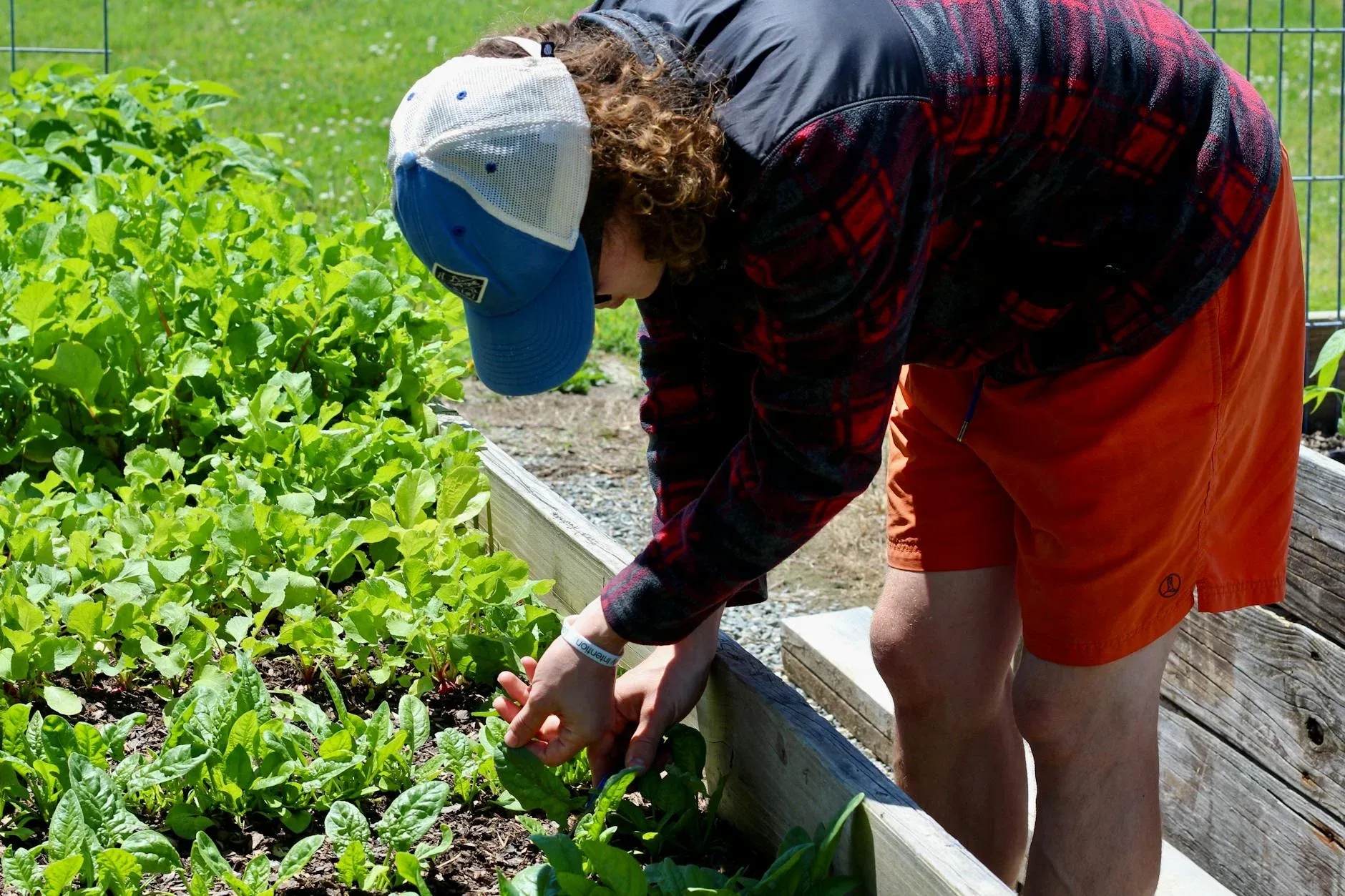
Neither one is universally better — here’s what actually separates them
Most comparisons of raised beds versus in-ground gardening are structured as a debate, with each side getting a column of bullet points and a coin-flip at the end. That framing doesn’t help anyone actually make a decision. The real question is simpler: what’s the main constraint you’re working against? Budget, soil quality, physical ability, or time? Each of those constraints points to a different answer, and a setup that’s right for your neighbor’s back injury and clay soil may be the wrong choice for a young family who wants a vegetable patch this weekend and doesn’t want to spend much money.
What follows is a framework, not a verdict. I’ve been growing in raised beds here in Wisconsin for fifty years, and I’ve had seasons in both situations. The early years were all in-ground work on clay that left me cursing the May rains. I know what each method demands, and I know the moments when each one wins. Let’s go through the constraints one at a time.
If your main constraint is budget
In-ground gardening is cheaper to start, and it’s not even close. If you already have a patch of reasonable soil, your real startup costs are a trowel, some compost, and seeds. Even amending a 4x8 plot with four inches of good compost runs you sixty to a hundred dollars. Sometimes less if you can get bulk delivery or access municipal compost.
Building and filling a cedar raised bed is a different number entirely. Lumber for a 4x8 frame in two-by-ten boards runs forty to sixty dollars depending on where you’re buying, before hardware. A quality cedar frame premade can run considerably more. The fill is the bigger expense. A 4x8 bed at twelve inches deep holds roughly a cubic yard of soil, and bulk topsoil-and-compost delivery in the upper Midwest runs eighty to a hundred and fifty dollars a yard, sometimes more depending on the mix and your distance from the supplier. You’re looking at a first-year investment of two hundred to three hundred dollars for a single bed before you plant a seed.
The payoff curve does bend over time. You’re not buying soil again in year three the way you’re buying compost year after year for a depleted in-ground plot. But if budget is a genuine constraint rather than a theoretical preference, start in-ground and amend hard. Get a good first season under your belt and then decide whether a raised bed is worth building. Spending three hundred dollars in year one before you know whether you like gardening is the wrong order of operations.
If your main constraint is soil quality
This is where raised beds have a clear advantage, especially in our part of the country. Wisconsin clay is not a myth. Wet springs, poor drainage, compaction from foot traffic and heavy equipment. These are real problems that in-ground gardening doesn’t solve on its own. You can amend clay soil into something workable, but it’s years of work, not a one-season project. You’re adding compost annually, dealing with drainage issues, watching your carefully amended rows get compacted back down every wet spring.
A raised bed lets you sidestep the native soil problem entirely. You build your own mix from scratch — a good combination of topsoil, aged compost, and some coarser drainage material — and you’re starting with structure that actually grows vegetables. The soil never gets walked on, never compacts the way in-ground soil does, and warms up faster because it’s not sitting in a cold clay layer.
What in-ground gardening requires from your native soil is better drainage than most of us have, reasonable nutrient levels, and the absence of perennial weeds dense enough to choke out seedlings. If your site has all three, in-ground is genuinely fine. If it has none of them, you’re looking at years of amendment work, or you’re growing in a raised bed.
If your main constraint is physical ability
Raised beds are the right call here, and I won’t hedge on that. Gardening at waist height, or even at twelve inches off the ground, changes what it costs your body to garden. Kneeling on clay soil to weed a row of carrots is fine in your thirties and increasingly not fine in your fifties and beyond. A bed built at twenty-four to thirty inches high can be worked from a chair or a low stool. For people with back problems, bad knees, or limited mobility, that’s the difference between gardening and not gardening.
Depth matters too for the ergonomics question. A bed needs at least twelve inches to support most vegetables properly, and eighteen inches for root crops. The taller the bed, the closer the soil surface is to a standing working height. A thirty-inch-tall bed built with wide enough boards to sit on is genuinely one of the more comfortable ways to garden that I know of.
In-ground gardening isn’t hopeless on ergonomics. Wide-row planting that lets you reach in from both sides without walking the bed, raised mounded rows, careful path planning. But none of that gets you out of bending and kneeling the way a properly dimensioned raised frame does. If mobility is the real constraint, don’t talk yourself into the cheaper option and spend the season paying for it with your back.
If your main constraint is timeline
If you want vegetables this season and you’re starting from scratch, raised beds get you there faster. Here in Wisconsin, raised bed soil warms up meaningfully earlier in spring than clay-heavy in-ground soil does. University extension research from the upper Midwest supports what I’ve watched in my own yard for years: raised bed soil can warm to plantable temperatures two to three weeks ahead of in-ground soil in zone 4-5. Those weeks matter when your frost-free window is already short.
In-ground gardening in its first season comes with a soil-prep debt. If your ground is compacted or heavy with clay, you’re tilling, amending, and waiting for a soil structure that’s loose enough to plant into. That work can push your first planting date back by weeks.
A raised bed filled with a quality mix is ready to plant the weekend you finish building it. You’re not waiting for the clay to dry out enough to work, not fighting the ruts left by the previous year’s foot traffic. The season starts when you decide it starts.
One caveat worth naming: the spring warmup advantage erodes somewhat in the second and third year as a raised bed’s soil settles and takes on some of the thermal characteristics of the ground beneath it. The first-year advantage is real; it becomes less dramatic over time. But if this is your first garden, that first-year advantage is exactly when you need it most.
The long-term maintenance picture
Both methods ask something of you over time. They just ask different things.
A raised bed in year two and beyond needs annual topping off with compost, because the fill settles and depletes. A cubic yard of soil in a new bed will settle six inches in the first couple of seasons. Plan for a quarter-yard of compost annually per bed once things are established. The frame itself lasts. Good cedar runs a decade or more before it needs replacing, and I’ve seen beds go fifteen years in this climate before they needed serious attention. Drainage in a raised bed is almost never the problem; the structure drains naturally, and the one time you might worry is if a weed barrier is trapping water against the bottom boards.
In-ground gardening in the long run requires ongoing attention to soil compaction, weed pressure, and soil depletion. Clay soil that you’ve worked hard into something decent can compact back toward its natural state in a few wet seasons if you’re not staying ahead of it with cover crops or consistent compost additions. Perennial weeds — bindweed, creeping Charlie, quackgrass — are easier to manage in a raised bed where you can spot and remove them before they establish; in-ground they can become a multi-year project.
Waterlogging is the bigger long-term risk for in-ground gardens on heavy clay sites. A site that pools in a heavy rain is not going to become well-drained soil through amendment alone. If the drainage problem is structural, you’re looking at a raised bed or a drainage improvement project, and the raised bed is usually cheaper.
Which one fits your situation
Here’s the plain version, based on everything above.
Go with raised beds if your native soil is heavy clay or drains poorly, if physical ability or joint pain is a real factor in your daily life, if you want to be productive in your first season without spending a year on soil prep, or if you’re gardening in a space where the native soil is genuinely unusable — compacted fill, contaminated ground, a paved patio. Raised beds are also the right call if this is your first garden and you want the best possible odds of success in year one.
Go in-ground if budget is your primary constraint and you’re starting with decent or workable soil, if you want to grow at a scale where building and filling raised beds would cost hundreds or thousands of dollars, or if you’re already working with a plot that has established soil structure and you just need to maintain and improve it. In-ground gardening at scale — a hundred square feet or more — is significantly cheaper to establish and operate than the equivalent raised bed area.
My own lean, stated plainly: I grow mostly in raised beds now, because the soil here is better than it was when I started and my knees aren’t what they were twenty years ago. But I kept an in-ground plot going alongside the beds for a long time, and it produced well once I’d gotten the soil right. The question I’d ask anyone starting out is: what’s the thing most likely to make you quit? If it’s the physical difficulty of working at ground level, build a raised bed. If it’s the upfront cost, start in-ground. Either way, you’re gardening — and that’s the part that actually matters.