buyers-guide
Galvanized Steel Raised Beds: G90 vs G60 Coating Guide
By Raised Garden Bed Planters Editorial Updated
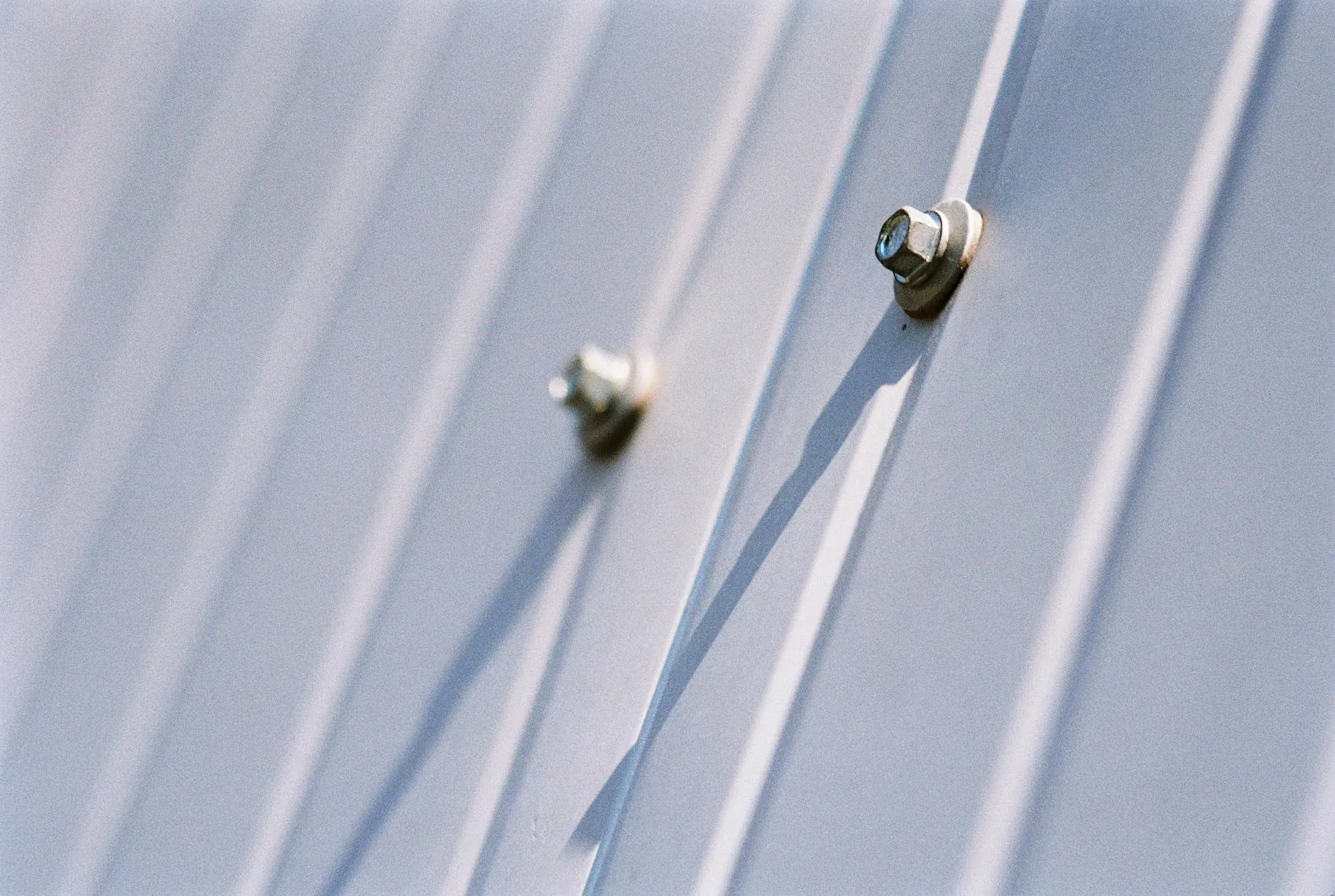
What actually determines how long a galvanized bed lasts
The spec that separates a raised bed you’ll still be gardening in fifteen years from one that’s orange around the bolt holes by year four is zinc coating weight. Not the brand. Not whether it came with a warranty card. The zinc.
Galvanized steel gets its rust resistance from a zinc layer bonded to the steel surface. That layer is rated by how much zinc it carries per square foot. In the US, the two grades you’ll realistically encounter are G90 and G60. G90 steel carries 0.90 ounces of zinc per square foot of sheet; G60 carries 0.60 ounces. That sounds like a small difference, but it translates to a meaningful one in the ground, where the zinc sacrifices itself to protect the steel underneath. More zinc, slower sacrifice, longer life.
Here in Wisconsin, freeze-thaw cycling adds stress that gardeners in milder climates don’t think about. The soil expands and contracts, the bed panels flex slightly at the joints, and any place where the zinc coating has been interrupted — at a cut edge, around a drilled hole, under a bolt — becomes a rust point. G90 coating gives you more margin when that cycling starts working on the metal year after year.
The problem is that most brands don’t publish their coating grade on the retail listing page. You have to go to the manufacturer’s spec sheet or technical documentation, and even then some brands use vague language like “heavy-duty galvanized” without a grade designation. If a brand won’t tell you the coating weight, assume it’s G60 at best and price accordingly. G90 at a higher price is often the better long-term value; unspecified coating at any price is a gamble.
A quick note on zinc and soil safety
The concern comes up regularly, and it deserves a straight answer rather than either panic or dismissal. Galvanized steel does release small amounts of zinc into adjacent soil, particularly at cut edges and welded joints where the coating is thinnest. The question is whether that release poses any meaningful risk to food crops or to the people eating them.
University extension services that have looked at this — including work out of Washington State and Oregon State — have generally concluded that zinc leaching from galvanized beds at normal raised-bed soil pH (roughly 6.0 to 7.0) does not produce zinc concentrations in garden soil or in food crops that approach levels of concern. Zinc is also a micronutrient that plants require in small amounts; mildly zinc-enriched soil near a metal bed is not the same thing as zinc toxicity. The research that does find elevated zinc concentrations involves very acidic soils, cut or raw steel edges rather than intact coated panels, or water-saturated conditions that aren’t typical of a well-drained raised bed.
If you’re growing in a bed with intact zinc coating, at normal vegetable-garden pH, with reasonable drainage, the consensus from extension sources is that the risk is negligible. I’ve been growing food in galvanized beds for a long time and I’m not worried about it. If you have specific soil conditions — unusually acidic soil, or you’re keeping the bed saturated for some reason — that’s worth a closer look. The general anxiety that “metal bed equals contaminated vegetables” isn’t what the extension services actually say.
Bottom configuration: the decision most buyers miss
Most buyers spend time comparing prices and depths and then choose based on which photo looked best. The bottom configuration question — open, mesh, or solid — gets skipped entirely. It shouldn’t, because it affects drainage, pest exclusion, and where you can actually put the bed.
An open-bottom bed sits directly on your native soil or lawn, with no barrier between the bed fill and whatever’s underneath. This is the most common configuration and it works well on grass or bare earth. Roots can penetrate deeply below the bed wall, which matters more than people think for tomatoes and other deeply-rooted crops. The downside here in the upper Midwest is voles. Voles will come up from underneath, and in a bad year they’ll take your carrot and beet crop before you know what happened. An open-bottom bed on ground that has vole pressure needs a hardware cloth liner laid in the bottom before you fill it. That’s an extra step, but it’s worth doing.
A mesh-bottom bed arrives with a welded or attached steel mesh floor. It handles the vole problem without the DIY liner step, and it still drains freely. The mesh adds some cost and some shipping weight, and it means the bed has to sit on a level surface rather than conforming slightly to uneven ground. For most vegetable gardeners in our region, mesh-bottom is the configuration I’d lean toward if the option exists at a reasonable price premium.
Solid-bottom beds are designed for deck or patio placement, where you can’t drain to soil below. They require drainage holes and become heavy containers. The soil volume in a 4x8x12-inch bed is close to a cubic yard of material. If you’re placing the bed on a deck and weight is a concern, think carefully before going solid-bottom in a larger size. On a patio or gravel surface where drainage can happen underneath anyway, open-bottom usually works fine and costs less.
Depth and shape: matching the bed to what you’re growing
Six inches of soil depth is enough for lettuce, radishes, herbs, and most shallow-rooted greens. It’s not enough for tomatoes, peppers, squash, or root vegetables, and it’s barely adequate for bush beans. A lot of entry-level kits ship at six inches because it keeps the price and shipping cost down, and new gardeners buy them without thinking through what they actually want to grow.
Twelve inches is where a raised bed gets genuinely versatile. You can grow carrots — shorter varieties like Danvers or Chantenay, not the foot-long Imperators — and you can grow tomatoes without the roots hitting the bottom of the soil column before they reach your native subsoil. Twelve inches is my recommendation for anyone who wants to grow a real vegetable garden rather than just salad greens.
Seventeen inches and deeper opens up serious root crops and also puts the growing surface at a height that matters a great deal if you have back or knee trouble. I have had enough Wisconsin winters to know that getting up from my knees takes longer than it used to, and a tall bed is not a luxury. The Vego Garden beds run up to 17 inches and some configurations go higher; that extra height also means more soil volume acting as a thermal buffer in spring and fall, which gives you a real advantage in our short growing season.
On shape: rectangular 4x8 beds are the workhorse because they’re easy to reach across from both sides, they’re efficient for row planting, and almost every kit on the market offers them. Circular beds look appealing in catalog photos but tend to leave awkward gaps in a real backyard and they’re harder to reach the center of once plants fill out. L-shaped configurations work well for corner placements and create more linear edge space for trellising, but the cost per square foot tends to run higher because you’re paying for more panels and more hardware. For most people with a rectangular backyard, rectangular beds are the practical choice.
Galvanized steel raised bed kits compared
The market breaks into three categories worth separating: standard imported galvanized steel kits (the largest volume segment), corrugated-panel kits with modular assembly, and US-made options with higher coating specs. Each has a different cost structure, durability profile, and target buyer.
Galvanized steel kits (standard imports): Vegega and comparable options
Vegega metal raised beds are the most visible imported flat-panel galvanized kit on the market right now. Their line includes 13.5-inch and 17-inch options as well as shallower configurations, and they ship in sizes from small 2x4 beds up to longer runs. The panels connect with hardware at the corners rather than interlocking, which means assembly requires a screwdriver and some patience but the joints are reasonably solid once set.
Vegega has published claims of “thick galvanized steel” and their marketing references ASTM standards, but their published spec documentation doesn’t consistently confirm G90 coating grade versus G60. The coating on their beds appears adequate for normal use based on reported field experience, but buyers who want a confirmed coating grade should contact the manufacturer directly or look at their current technical documentation rather than taking catalog language at face value.
Price per square foot of growing area on a standard 4x8 Vegega bed in the 17-inch depth runs roughly in the $6 to $9 range depending on sales and configuration. Check current pricing at their site, as this segment moves around. At that price point with reasonable assembly hardware and available depth options, they represent good value for most buyers who aren’t committed to US-made sourcing.
Similar imported flat-panel kits are widely available through Amazon and at Tractor Supply and Home Depot in many Midwest locations. Quality varies more than the listings suggest; the coating-grade question applies to all of them. Generic unbranded kits at the lowest price tier are where I’d be most cautious.
Corrugated metal kits: Vego Garden and the panel-style format
Vego Garden uses a corrugated steel panel construction rather than flat sheet steel, and the corrugation does real structural work. It adds rigidity without adding gauge weight, which keeps shipping costs manageable on the larger and deeper configurations. Their beds go up to 17 inches in standard lines and they offer modular panel systems that let you build out longer configurations than a fixed-kit bed allows.
The corrugated format also changes how the bed looks in the garden. Some people prefer it; the ribbed texture reads more as “intentional garden feature” than the flat-panel industrial look. That’s personal preference, but it’s worth knowing what you’re getting.
Vego’s pricing runs somewhat higher than the entry-level flat-panel imports. Expect to pay in the $8 to $12 range per square foot of growing area for their deeper configurations. Their assembly system uses a bolt-and-strap mechanism at the panel joints that goes together without much difficulty, and the hardware quality in their kits is better than what you get in the budget tier.
The corrugated ridges create a slightly irregular interior surface, which matters not at all for soil contact but can make adding a mesh liner or row cover mounting hardware slightly more fiddly. Minor issue, but it comes up.
USA-made options: what you get and what you pay
This is where the SERP gap is real. Buyers looking for US-made galvanized raised beds don’t get a clean answer from the commercial pages that dominate this search. Several brands market themselves with American-adjacent language while manufacturing overseas; the only reliable check is the manufacturer’s website itself, not the reseller listing.
The US-manufactured options in this category are a shorter list. Land Guard raised beds, available on Amazon, are manufactured domestically and use heavier-gauge steel than most import competitors. Their published specs indicate G90 coating on their standard line, which is the coating grade I’d want to see confirmed for any bed I expected to last in our climate. The price premium is real: expect to pay meaningfully more per square foot than you would for an equivalent-sized Vegega or comparable import.
What the premium buys, beyond the sourcing argument, is a documented coating spec and typically a heavier steel gauge. A G90-coated bed from a domestic manufacturer should outlast a G60 import by several years under freeze-thaw conditions, which changes the cost calculation when you’re thinking about it over a decade of use rather than a one-time purchase price. Whether that math works for your situation depends on how long you’re planning to stay in the same garden and how much the sourcing question matters to you independent of durability.
I’ll be honest: I haven’t put a Land Guard bed through ten Wisconsin winters personally, and I won’t claim I have. What I can say is that the coating grade matters, the gauge matters, and the domestic-manufacturing options that publish those specs deserve credit for the transparency even if they cost more.
What I’d buy this season
For a first bed on a budget, a Vegega 4x8 in the 17-inch depth is what I’d tell the neighbor to get. It’s available, it ships without drama, the assembly is manageable, and the 17-inch depth means you’re not locked out of real vegetable growing. Add a hardware cloth liner in the bottom before you fill it if voles are a problem in your yard — they are in mine — and you’ll have a functional bed that will last a reasonable number of seasons.
For anyone serious about vegetable production who wants the bed still performing well in ten or fifteen years, the coating grade question becomes worth the extra money. A US-made G90 option costs more upfront and the difference is real. If you’re putting in multiple beds and planning to stay in the same garden, that investment amortizes differently than if you’re testing the hobby with a single starter bed.
For back or knee trouble, go tall. Seventeen inches minimum; if a 24-inch or taller option fits your budget and your situation, take it. The ergonomic argument doesn’t get enough attention in product listings, and here in the upper Midwest, the extra soil depth also buys you warmer root-zone temperatures in May when the nights are still cold and your plants are trying to establish. A deep bed in our climate earns its cost in more than one way.
Sources consulted
This article draws on industry standards, manufacturer documentation, and horticultural references, consulted 2026-05-25.
- ASTM A653 / A653M — industry standard for hot-dip zinc-coated (galvanized) steel sheet; defines the G60 and G90 coating weights referenced throughout the article.
- Vego Garden FAQ and material specifications — manufacturer documentation for VZ 2.0 composition (zinc + magnesium + aluminum coating, AkzoNobel paint, 0.6mm thickness).
- Vegega (about page) — manufacturer source for galvanized steel raised bed gauge and coating specifications.
- Land Guard — manufacturer source for galvanized steel raised bed kit dimensions and coating descriptions.
- University of Wisconsin–Madison Horticulture Extension — horticultural reference for freeze-thaw durability and zone 3–5 climate context.
- Owner-review aggregates synthesized from Amazon and Home Depot reviews; representative sentiment on coating wear over 1–3+ year ownership.